
Porsche Service and Repair for North Texas Drivers
If you own a Porsche or you’re thinking about buying one – this guide is designed to help you understand what maintenance really looks like, why certain services cost more than expected, and how to protect your Porsche long-term with smart, proactive care.
Meet Our Porsche Expert: Nate Wagner (Fifth Gear Autosports)
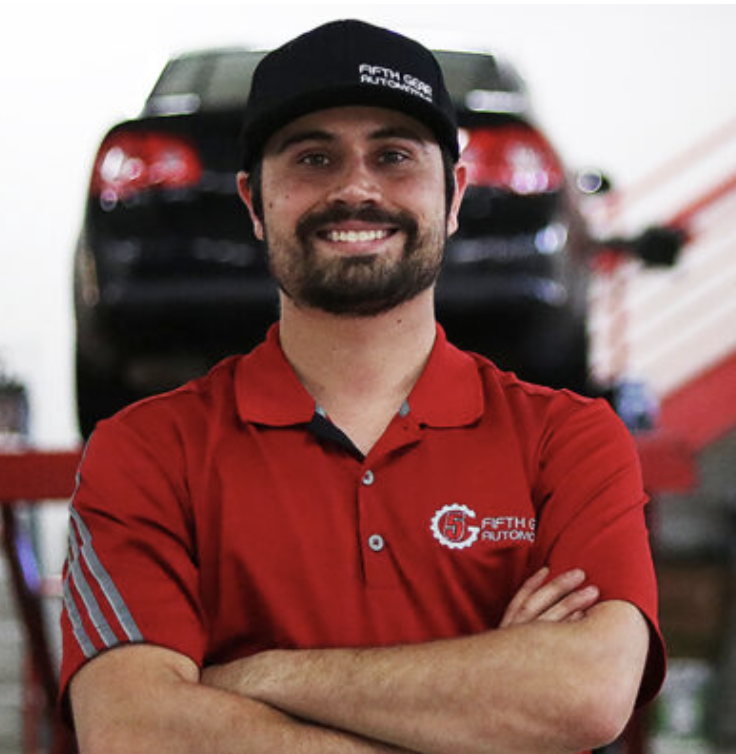
To make this article as helpful (and real-world) as possible, we pulled key insights from an interview with Nate Wagner – Performance Specialist at Fifth Gear Autosports. Nate works on Porsches every day and helps owners make decisions that prevent expensive surprises, especially as vehicles age or change hands.
Why this matters: Porsche maintenance isn’t just “more expensive,” it’s more specialized. The right strategy and the right shop can save you thousands over the life of the car.
What Local Porsche Owners Ask Most
If you’ve searched phrases like “Porsche service near me” or “Why is my Porsche check engine light on?” you’re not alone. These are the most common reasons Porsche owners come into Fifth Gear Automotive:
- Interval maintenance (10k, 20k, 40k, etc.)
- Oil changes
- Brake fluid service
- Slow starting / battery issues
Below, we’ll explain what those usually mean in real-world terms, and where Nate’s experience changes what we recommend compared to “just following the dash.”
Why Porsche Maintenance Costs More (Nate’s Simple Explanation)
Nate puts it plainly: Porsche maintenance costs are tied to what the vehicle cost when it was new. Even if your Porsche is 10 years old and worth half of its original value, the parts and the labor time are still engineered (and priced) like a premium performance vehicle.
He also points out an important reality: labor time can be surprisingly high for what sounds like a “simple” item. Example: on some Porsche Panamera models, the engine air filter can be located behind the front bumper, turning a basic filter replacement into 2–3 hours of labor.
Porsche Interval Service: What It Is and Why It Matters
Porsche recommends scheduled maintenance based on mileage and time (10k, 20k, 40k, etc.). The goal is to prevent oil leaks, misfires, cooling issues, and warning lights, especially important in North Texas heat and stop-and-go traffic.
Why it matters: skipping interval service is one of the top reasons Porsche owners later face major repair bills
Porsche Oil Changes: Not a Basic Quick-Lube Job
Porsche engines require the correct oil specification, capacity, and level check procedure. When oil service is overdue, owners often notice:
- Rough idle
- Oil warning messages
- Burning oil smell
- Check engine lights
Using the wrong oil, or the wrong process, can contribute to long-term internal wear.
Nates real world oil interval recommendation (important)
Even if the dash says 10,000 miles, Nate does NOT recommend going that long. In his experience, he has seen vehicles, especially Cayennes, that followed the 10,000-mile interval and developed sludge and oil pressure problems well before 100,000 miles.
Nate’s guideline: change oil every 5,000 miles or 1 year (whichever comes first) if you want the engine to last as long as possible.
Check Engine Light on a Porsche: Common Causes We See Locally
A Porsche check engine light can be minor, or it can be the early warning sign of something costly. Common causes we see include:
- Ignition coils and spark plugs
- EVAP system leaks
- Sensors and airflow issues
- Oil separator problems
Porsche systems require proper diagnostics, not guesswork, because multiple issues can trigger similar symptoms.
Major Service Reality: Age Matters as Much as Mileage
One of the most overlooked Porsche ownership truths: age-based service is real.
Nate highlights a key example: Porsche can recommend replacing ignition coils at 10 years regardless of mileage. Spark plug intervals vary (often ~30,000 miles on turbo engines and ~60,000 miles on many NA engines), but coils can still be due based on time. On certain V8 models, parts alone for coils can be around $1,000, before labor.
Transmission Service (PDK): A Conservative Plan That Protects Your Investment
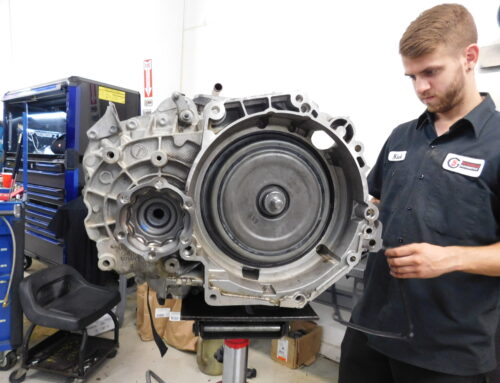
For PDK longevity, Nate recommends replacing the transmission fluid and filter every 5 years or 40,000 miles (whichever comes first).
His reasoning is simple: Texas temperature swings (100+ in summer, freezing in winter) are hard on fluid, and time-based degradation can contribute to issues even on low-mileage cars.
Coolant Service: Prevent Overheating and ‘Stranded’ Moments
Cooling systems are critical on performance vehicles, and the cost of overheating can be massive.
Nate recommends coolant service every 5 years regardless of mileage. Beyond protection from freezing and heat, this service helps uncover small leaks or weak components before they turn into a breakdown.
IMS Bearing: How to Talk About Risk Without Fear-Mongering
The IMS bearing conversation (especially on early 996 and early 997 generations) can sound scary online. Nate’s perspective: failures he has seen are relatively few, but when they happen, they can be catastrophic.
He notes that an engine rebuild on a 996 can easily reach ~$20,000, sometimes exceeding the value of the car, so the risk is worth taking seriously.
Smart timing (Nate’s rule of thumb): if the IMS hasn’t been addressed, consider replacing it around clutch time on manual cars (often when the clutch is due, roughly 60–70k miles depending on driving). On higher-mileage examples (e.g., 125k), he would be more proactive about replacement.
How to Choose the Right Porsche Shop (Nate’s Checklist)
If you’re comparing Porsche repair shops in the DFW area, Nate suggests asking three straightforward questions:
- What do you specialize in (air-cooled, water-cooled, specific generations, specific models)? A vague “we specialize in all of them” can be a red flag.
- What is your labor rate? Going with the cheapest option is rarely the best choice for Porsche.
- What is your history with the Porsche brand? Ask how long they’ve worked on them and how they got their start with Porsche.
Nate also points out that extremely low labor rates can be a warning sign for Porsche work. As a general range, he notes many dedicated Porsche facilities land around the $250–$300/hr range (and it isn’t uncommon to see higher). The key is value: experience, process, diagnostics, and accountability.
Looking for Porsche Service in North Texas?
If your Porsche needs an oil change, interval service, check engine light diagnosis, battery testing, brake fluid service, or help planning maintenance based on age + mileage, Fifth Gear Automotive provides dealer-level care with a local, personal touch in North Texas.
Want a realistic maintenance plan for your Porsche? Ask us to review your current mileage, model year, and service history, then we’ll help you prioritize what matters now vs. later.
What Our Customers Say

Watch Our Video Summary About Porsche Maintenance
Quick FAQ for Porsche Owners in North Texas

Juan is a marketing enthusiast with over three years of experience in automotive marketing and serves as the Marketing Lead at Fifth Gear Automotive. A University of North Texas graduate with a Master’s in Marketing, he works closely with expert technicians to share trusted insights and practical advice, helping drivers better understand and care for their vehicles.